
5 important personal safety tips for using your e-bike
As with any form of motorised vehicle, it is critical when riding an e-bike that you follow certain procedures and regulations to ensure the safety of yourself and those around you.
By Michael in General news
Since the beginning of the Covid-19 pandemic, e-bike rentals and sales in the UK have been booming. In fact, sales on e-bikes and scooters more than tripled during this past summer, as commuters look for ways to avoid public transport. Nearly one in three bikes currently being used by adults in the UK is electric, and that is both for practical and leisure time transportation.
Here are 5 important personal safety tips for using your e-bike.
1 – Use appropriate safety gear
Before renting an e-bike for your next commuting or touring venture, be sure that you have all of the proper gear.
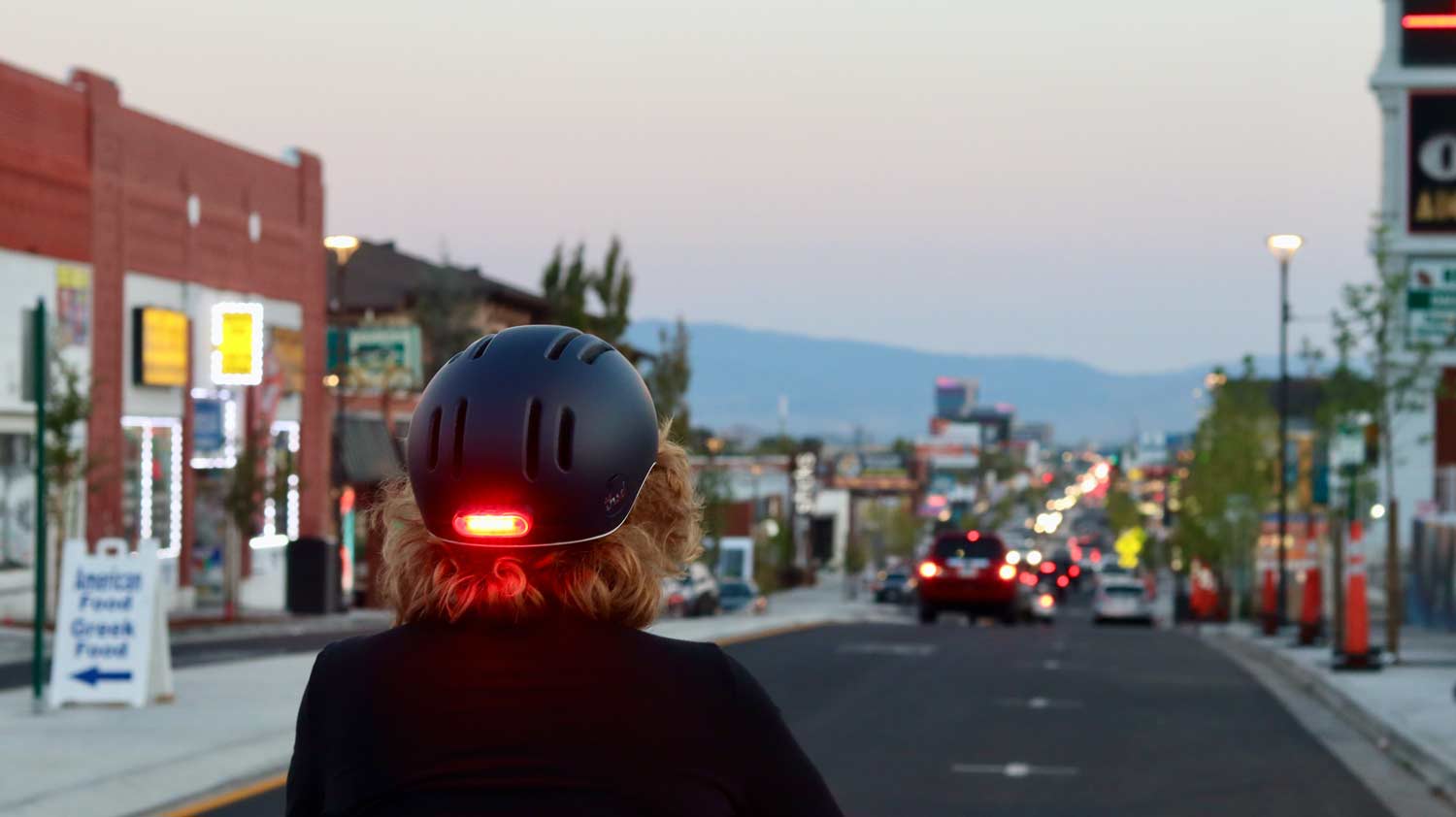
Wear a helmet specifically designed for an e-bike – These helmets come in a variety of trendy colours and styles, and are durable enough to protect your head in the unfortunate event of an accident when travelling at high speeds.
Wear the right footwear – It is best to choose an athletic-style shoe with a good grip. This will keep your feet from slipping while riding, especially in wet conditions. Good cycling shoes are breathable and durable, and have a stiff sole that is easy to walk on.
Wear a pair of biking gloves – These gloves will have padding that helps absorb the vibrations from the handlebars. This will make riding more comfortable as well as help ease any pain that older e-bikers might experience in their wrists while riding.
Wear proper clothing – Choose clothes that are comfortable but not too loose or baggy, especially near the bottom of your legs where your feet touch the pedals. A pair of longs or trousers cut for cyling with reinforced seat panels are great in all weather conditions.
2 – Be easily visible to other road users
It is paramount to your safety that you can easily be seen by other road users, especially as it gets darker. Here are the basic requirements for night-time visibility while riding your e-bike.
Use reflective gear – Wearing reflective clothing will make sure that you are easily detected by the headlights of cars and lorries. There are many different brands to choose from for reflective gear that is both affordable and comfortable to wear. E-bike helmets should come with a lighting strip embedded in the front or on top.
Be sure your e-bike is equipped for night-time riding – The majority of e-biking accidents happen when it is dark outside. Your e-bike should have a headlamp, reflector or reflective strips on the front, tail light, and reflectors embedded in the tires and on the pedals. These reflective elements on the moving parts of your e-bike will greatly increase your visibility and safety in low light conditions.
3 – Know the local laws for e-bike riders
In the UK, the rules for operating an EAPC (electrically assisted pedal cycle) are clear and easy to follow. Anyone aged 14 and over can ride an e-bike. You do not need a license to ride an e-bike and it does not need to be type approved, insured, or registered. As long as your e-bike meets the UK’s operating regulations, you can ride it on any of the cycle paths or other trails where pedal bikes are allowed.
When riding on the road, you should always ride with the flow of traffic, which greatly reduces your risk of getting into an accident. You should be aware of the proper hand signals for changing lanes. It is a good rule of thumb to start to slow down well ahead of stop points since an e-bike moves faster and takes more time to slow down than a standard bike. Be sure to obey all traffic laws including lights, road signs, and signals that apply to all vehicles.
4 – Do a quick maintenance check before you ride an e-bike
It is imperative that your e-bike is in perfect working condition before you use it.
Inspect the tyres – Make sure that the thread on the tyres isn’t too low. E-bike tyres tend to wear out more quickly than those of standard bicycles. The tyres should be fully inflated. Check the psi level of the tyres and if necessary top them off before riding. Underinflated tyres don’t roll well and will impact your e-bike’s efficiency and ability to manoeuvre.
Check the battery – Make sure that the e-bike’s battery is fully charged so that you don’t get stuck somewhere. The battery should have no visible signs of a leak or damage. The battery terminals should be free of debris and lightly greased.
Check the brakes – Look for obvious signs of brake problems like excessive pad and rotor wear or loose parts. A warped rotor will cause uneven wear and discolouration which you can see with a visual inspection. A quick check of your e-bike’s brakes can drastically reduce the chance of having problems while riding.
5 – Be careful when mounting and dismounting
An e-bike weighs a good deal more than a standard bicycle and you don’t want it to tip over when getting on or off. This can be a bit tricky for older riders or people with mobility issues. For these riders, you can choose an e-bike with a step through frame. This allows you to get on and off your e-bike by stepping through it rather than over the top of it. By practicing a few times, you should be able to mount and dismount an e-bike without losing your balance.
Renting an e-bike is a great way to take a relaxing day trip in and around small towns and countrysides in the UK. You can also use an e-bike to avoid public transportation or traffic congestion while driving when doing inner city commutes. You want to make sure that you are well prepared to ride an e-bike, which includes ensuring the safety of yourself and those around you. By following these 5 personal safety tips you will be ready to discover the practicality and joy of e-biking in safety and comfort.
Photo by Manny Becerra on Unsplash